Home > News > Industry News
In modern hotels, restaurants, showrooms, retail stores, and corporate reception areas, LED reception screens and desktop displays do much more than show information. When used strategically, they create memorable first impressions, reduce waiting frustration, strengthen brand identity, and improve overall customer satisfaction.
One of the most effective ways to improve guest experience is to make visitors feel recognized the moment they arrive.
For example, a hotel reception screen can display:
"Welcome, Mr. Smith. We are delighted to have you with us."
This simple interaction immediately creates a stronger emotional connection.
The screen can automatically adjust content throughout the day:
As a result, the space feels more responsive and engaging.
Guests often become impatient when they do not know how long they need to wait. LED displays help solve this problem by making information visible and easy to understand.
Reception screens can display:
When guests can see their position in the process, they feel more informed and less anxious.
Instead of relying on printed brochures, businesses can use animated graphics to display:
Dynamic visual guidance improves navigation while creating a more modern experience.
Waiting time becomes valuable when businesses use it to communicate their brand story.
LED displays can continuously showcase:
For hotels, this may include the property's heritage and local attractions. For restaurants, it can highlight ingredient sourcing, chef stories, and signature dishes.
Instead of simply advertising, the screen helps guests build a deeper connection with the brand.
Displaying customer photos and social media posts encourages participation and community engagement.
Benefits include:
Guests often enjoy seeing real customer experiences featured on screen.
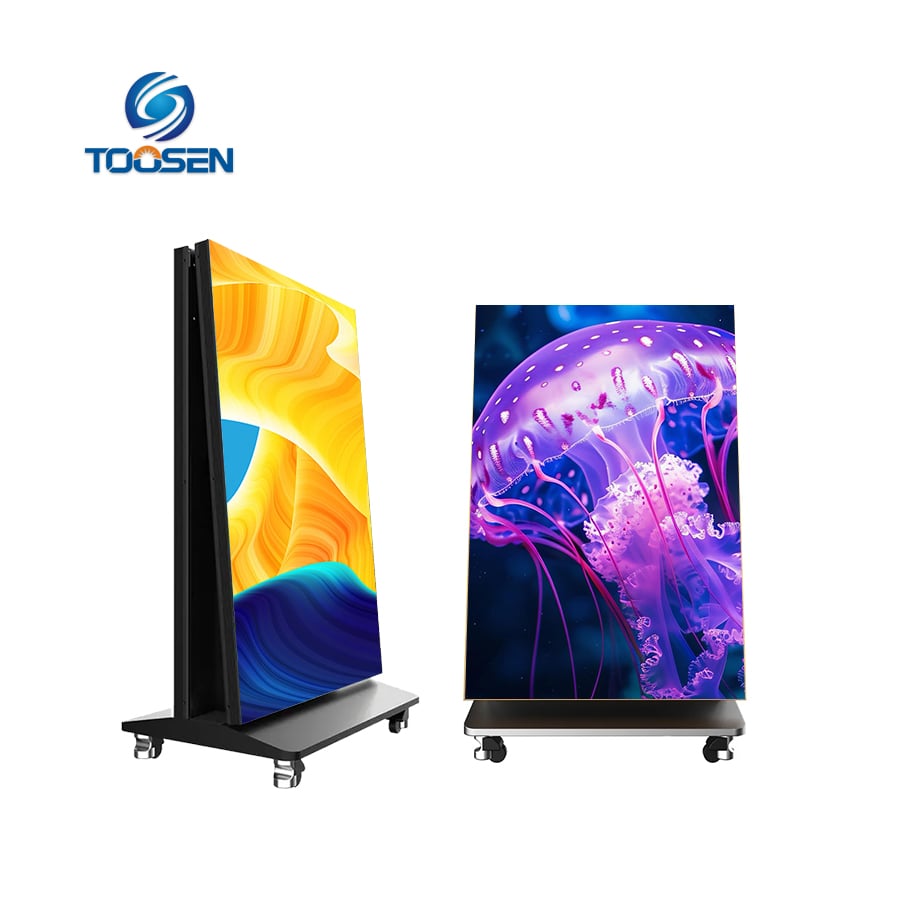
Desktop LED displays bring digital interaction closer to the guest.
At dining tables, desktop displays can show:
This approach simplifies ordering while creating a more premium dining experience.
In meeting rooms and reception lounges, desktop displays can present:
These features improve efficiency while maintaining a professional appearance.
When not actively displaying information, screens can function as digital décor by showing:
This transforms the display into a design element rather than just a communication tool.
The best guest experiences engage multiple senses simultaneously.
LED displays can coordinate with ambient lighting systems to create a cohesive environment.
Examples include:
This synchronization creates a more immersive environment.
Some premium hospitality venues integrate scent systems with digital displays.
For example:
The combination of sight and scent creates stronger emotional memories.
Effective LED displays should not only look attractive but also provide useful functionality.
During emergencies, the screen can instantly switch to:
In everyday operation, the display enhances aesthetics. During critical situations, it becomes an important communication tool.
Touch-enabled desktop displays can help guests:
These features improve convenience while reducing staff workload.
The most successful reception and desktop displays avoid becoming digital billboards filled with endless advertisements.
A well-designed LED screen should follow a simple principle:
When guests need information, the screen acts as a helpful assistant. When they don't, it becomes part of the space's visual design.
To maintain engagement, businesses should refresh content regularly—ideally at least once per week. Fresh, relevant content keeps the experience dynamic and encourages repeat visitors to notice something new each time they return.
By combining personalized greetings, real-time information, interactive services, and immersive brand storytelling, LED reception screens and desktop displays can transform ordinary waiting areas into memorable customer experiences.
 EN
EN
 AR
AR
 BG
BG
 HR
HR
 CS
CS
 DA
DA
 NL
NL
 FI
FI
 FR
FR
 DE
DE
 EL
EL
 HI
HI
 IT
IT
 JA
JA
 KO
KO
 NO
NO
 PL
PL
 PT
PT
 RO
RO
 RU
RU
 ES
ES
 SV
SV
 TL
TL
 ID
ID
 SR
SR
 UK
UK
 VI
VI
 ET
ET
 HU
HU
 TH
TH
 TR
TR
 FA
FA
 AF
AF
 MS
MS
 GA
GA
 HY
HY
 AZ
AZ
 MN
MN
 UZ
UZ