Home > News > Industry News
In contemporary architectural design and spatial planning, technology no longer plays a supporting role—it leads innovation. Today, special-shaped LED screens (also known as heteromorphic LED displays) are transforming how architects and designers shape visual environments. Instead of limiting creativity to traditional rectangular formats, these displays unlock unprecedented design freedom and elevate both exterior and interior spaces.
As cities pursue stronger visual identity and immersive public experiences, custom-shaped LED screens have quickly become a core element in modern architectural aesthetics.
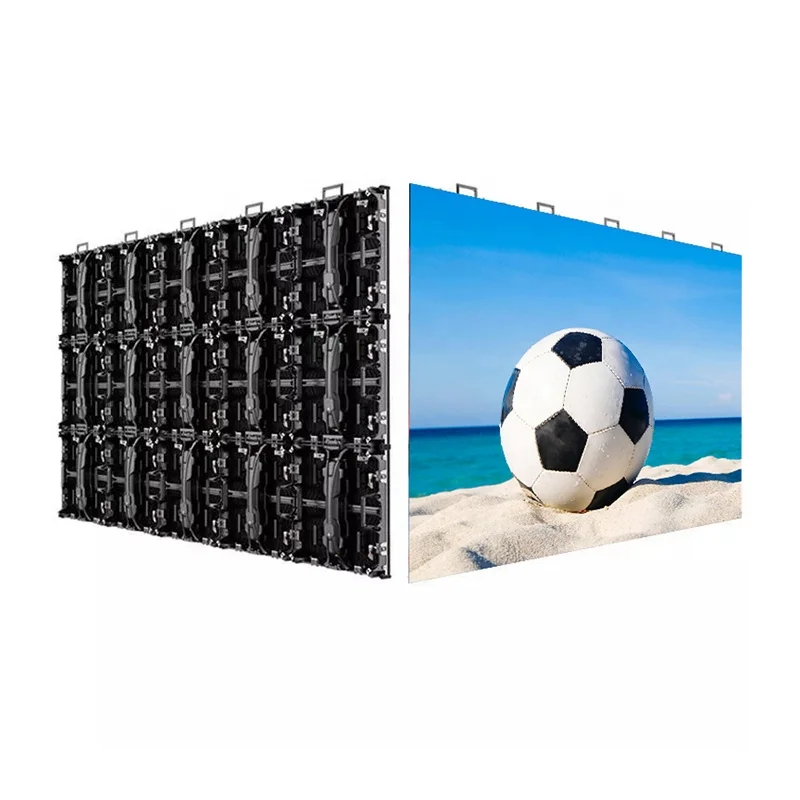
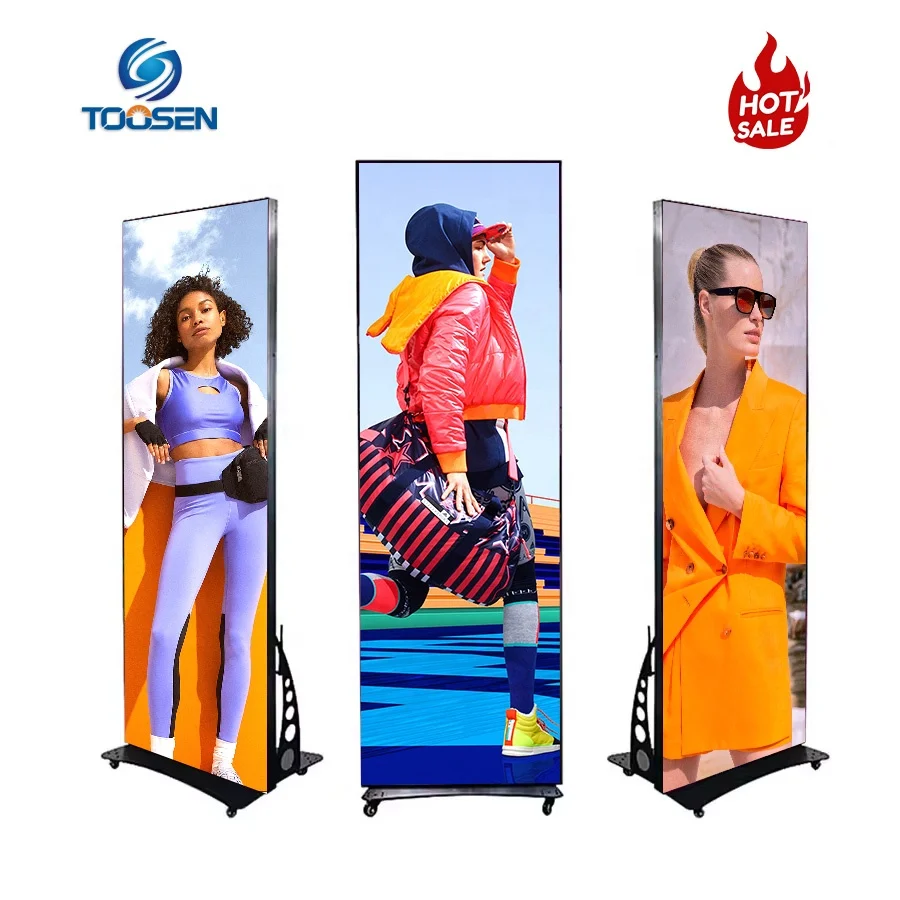
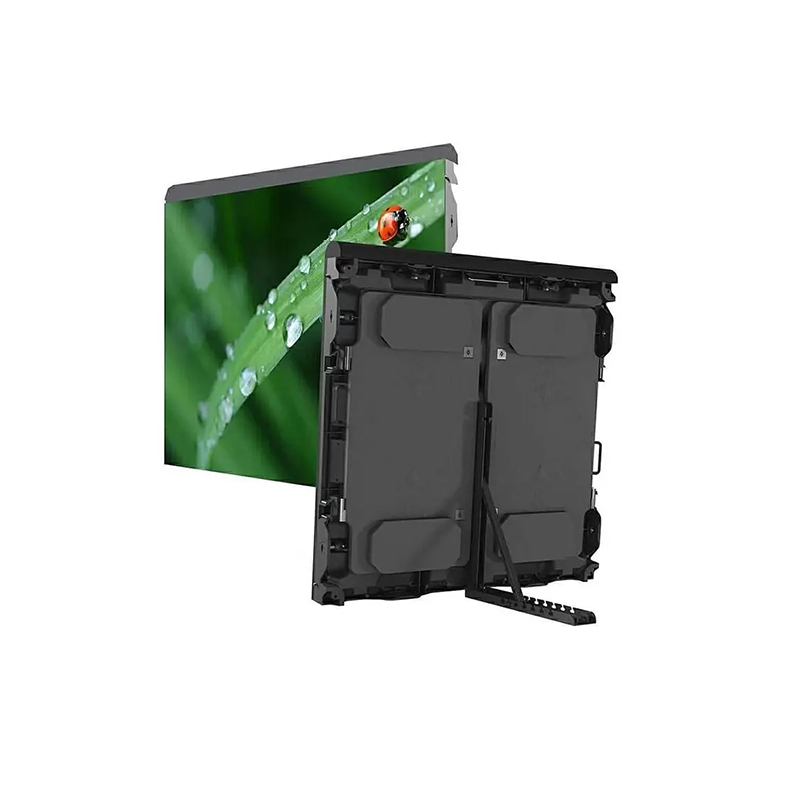
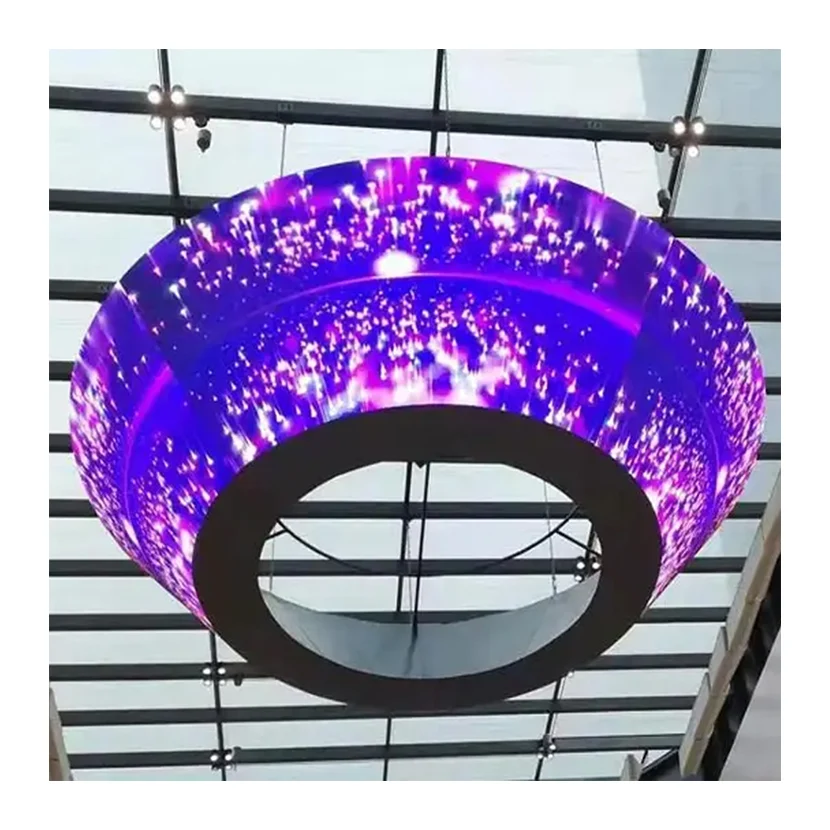
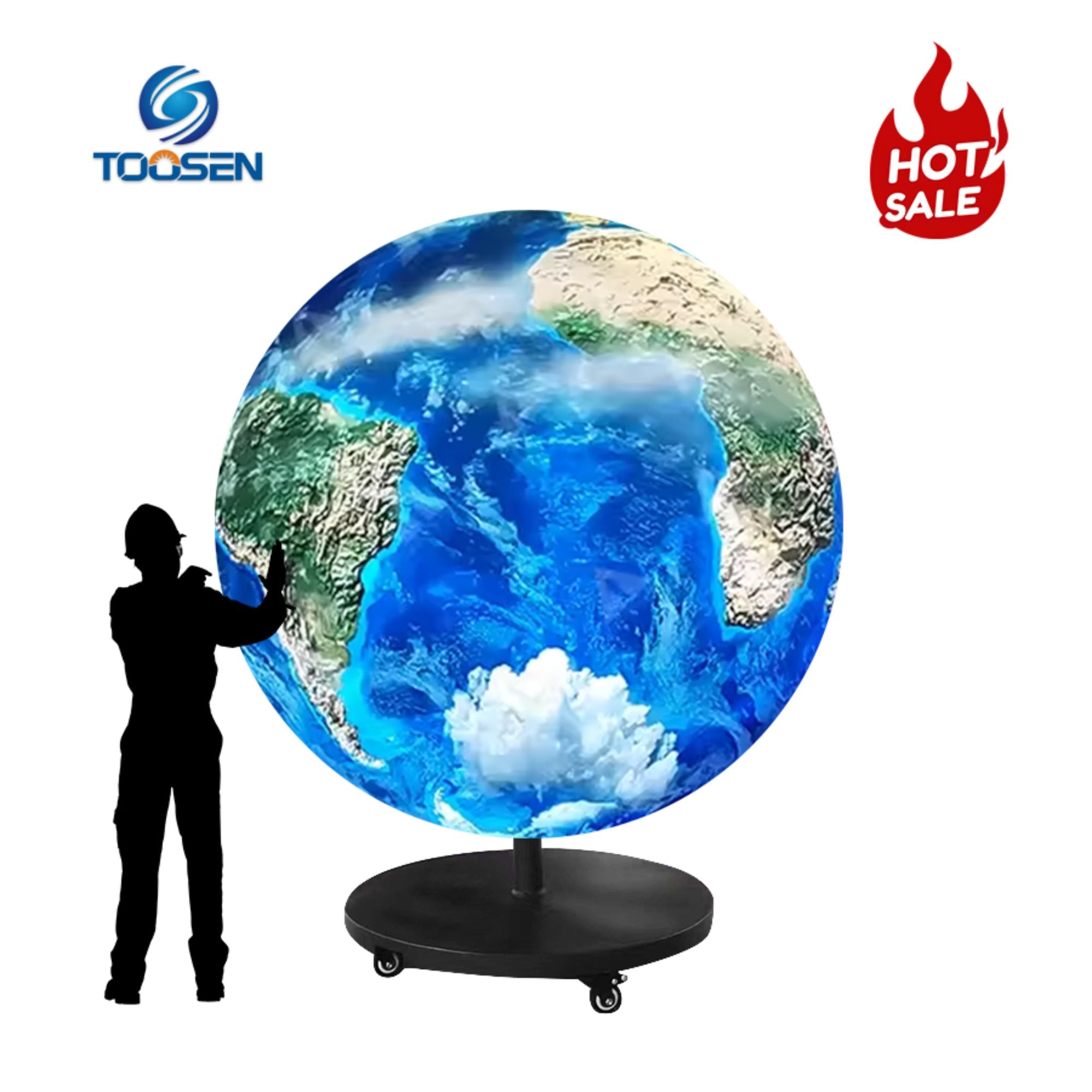
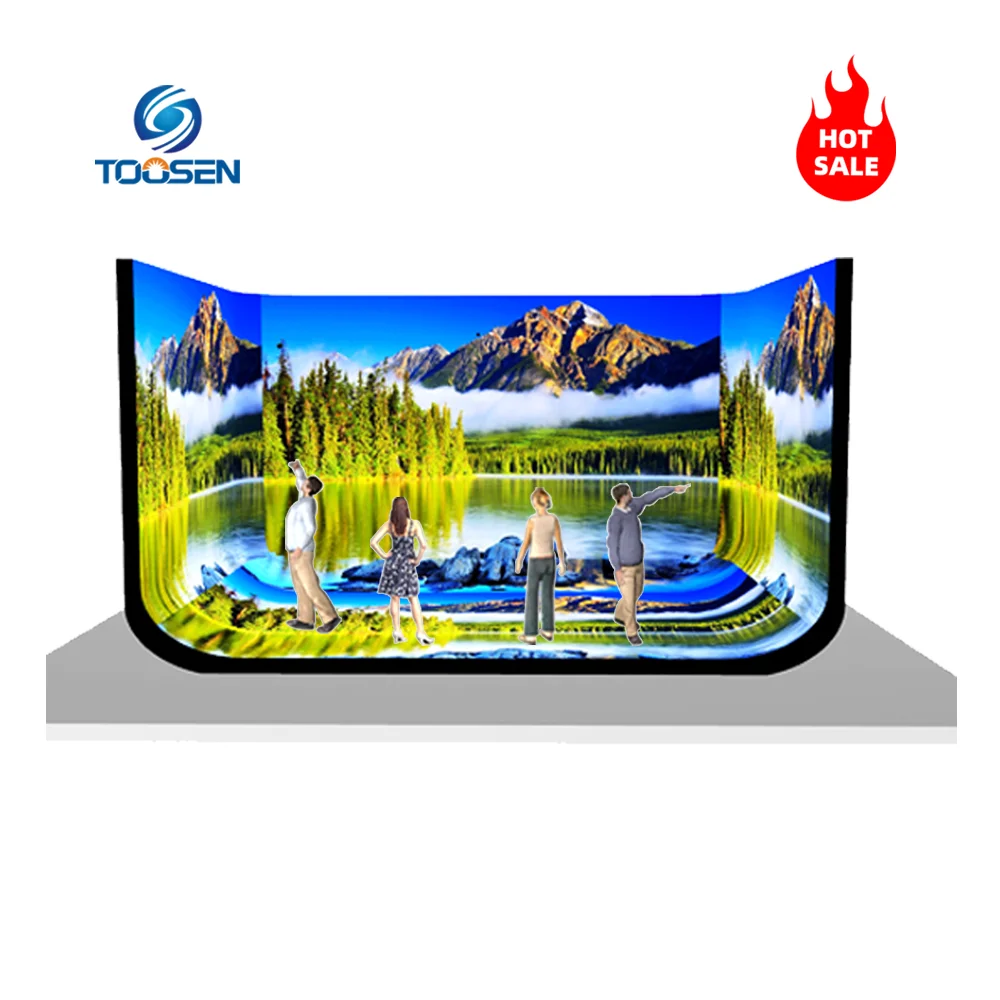
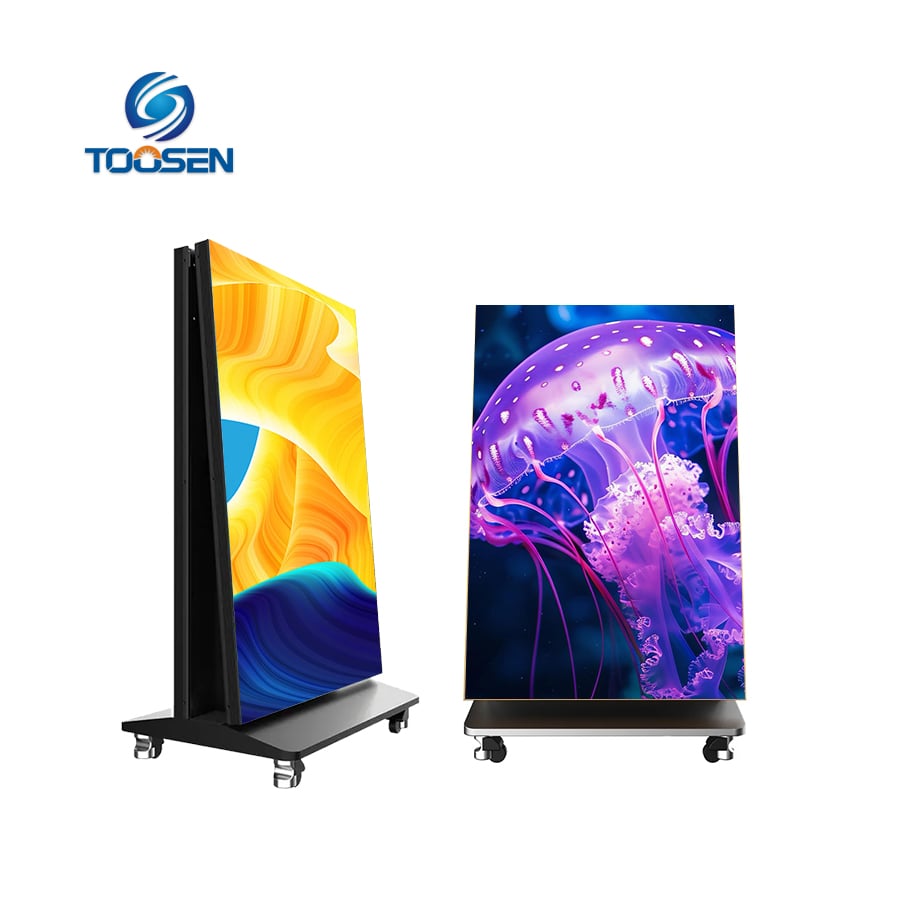
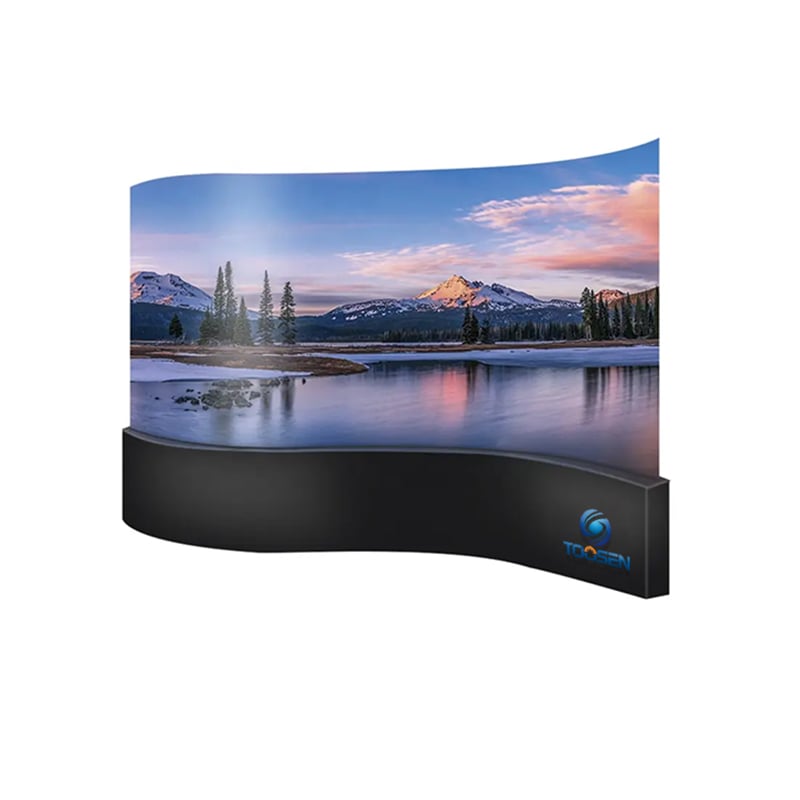
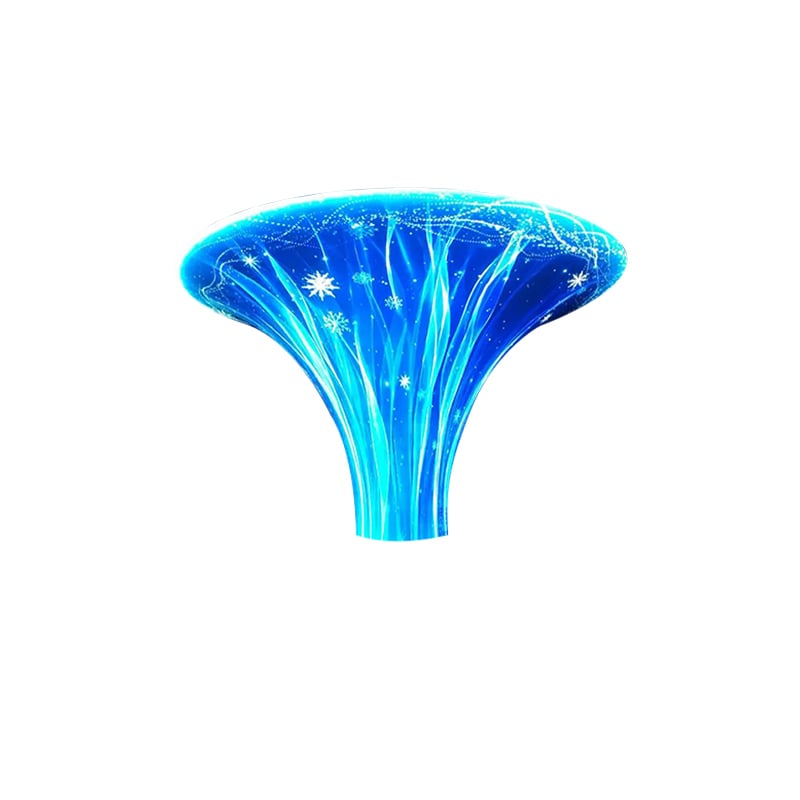
A special-shaped LED screen refers to a display with a non-standard geometric form. Unlike conventional flat panels, these screens can be customized into virtually any shape—curved, circular, wave-shaped, polygonal, spherical, cylindrical, or even complex 3D structures.
Because of this flexibility, designers can seamlessly integrate digital media into architectural concepts rather than treating screens as add-on components. As a result, buildings gain stronger visual impact and more dynamic communication capabilities.
For example:
In public squares, a giant wave-shaped LED display can attract attention and create a city landmark.
In commercial centers, irregular curved screens can enhance brand storytelling and elevate customer engagement.
In cultural districts, immersive digital façades can strengthen local identity through dynamic art and promotional content.
Instead of adapting architecture to fit a screen, designers now shape the screen to fit the architecture.
Special-shaped LED screens dramatically upgrade building façades. First, they break away from rigid rectangular frames. Then, they introduce fluid lines, organic structures, and futuristic geometries into urban landscapes.
For instance:
Transparent LED screens can be embedded into glass curtain walls. During the day, they function as standard glass. At night, they transform into vibrant digital canvases.
Curved LED displays can wrap around building corners, eliminating visual interruption and creating seamless content flow.
Three-dimensional LED structures can project dynamic visuals that reshape the skyline.
This integration not only improves aesthetics but also increases the commercial value of buildings. Developers can monetize façade space through advertising, brand promotion, or cultural programming.
Special-shaped LED screens also redefine interior design. Instead of flat television walls or static décor elements, designers now install curved LED walls, circular displays, and wraparound immersive systems.
For residential and commercial interiors:
Curved LED TV walls enhance living room ambience.
Immersive projection-style LED systems enrich dining spaces or entertainment zones.
Interactive corridor displays respond to pedestrian movement, creating engaging digital journeys.
Moreover, museums, galleries, and exhibition halls benefit significantly from custom LED solutions. Designers can tailor screen shapes to match exhibit themes. Consequently, visual storytelling becomes more intuitive, immersive, and memorable.
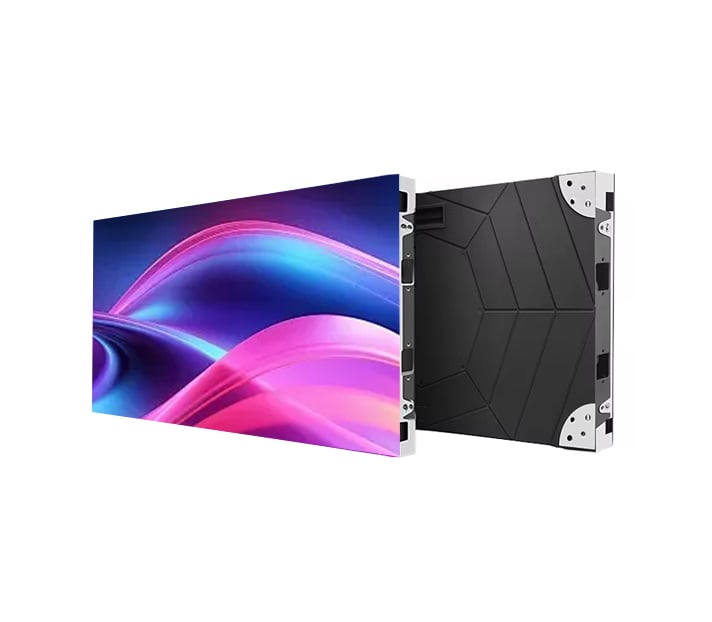
The true strength of special-shaped LED displays lies in customization. Manufacturers can now engineer modules that adapt to complex curves, irregular angles, and structural requirements. This flexibility allows seamless integration into architectural frameworks without compromising structural integrity.
At this stage, choosing the right manufacturer becomes critical.
Toosen specializes in custom special-shaped LED screens and provides fully tailored solutions for architectural, commercial, and cultural projects. The company supports:
Custom sizes and dimensions
Custom curvature and structural design
Indoor and outdoor solutions
Transparent and creative LED configurations
With more than ten years of manufacturing experience, Toosen combines engineering expertise with practical project execution. In addition, the company maintains product inventory in stock, which ensures fast delivery and short lead times—an essential advantage for time-sensitive projects.
Because of this integrated production capacity, clients receive both design flexibility and operational efficiency.
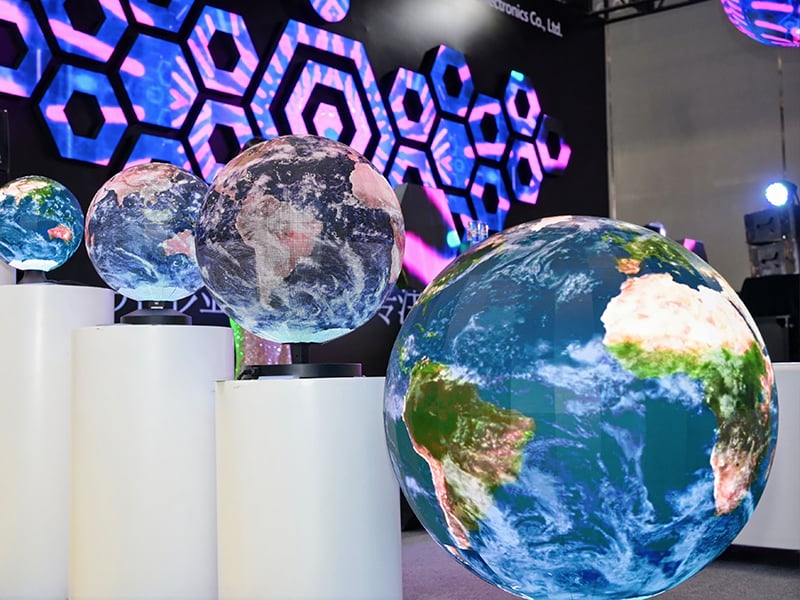
As smart cities evolve, architecture becomes increasingly interactive and media-driven. Special-shaped LED displays meet this demand in several ways:
They enhance visual impact.
They support immersive digital communication.
They increase commercial return on space.
They strengthen brand and cultural identity.
They integrate seamlessly into modern architectural language.
Furthermore, advances in lightweight structures, high-brightness LEDs, flexible modules, and intelligent control systems continue to expand application possibilities. Consequently, designers can push boundaries without sacrificing performance or durability.
Special-shaped LED screens are no longer experimental installations. Instead, they have become essential tools in modern architectural expression. By breaking geometric limitations, enabling customization, and merging digital media with structural design, they redefine how people experience buildings and spaces.
As technology continues to advance, we can expect even more innovative applications. With experienced manufacturers like Toosen providing customized solutions, fast shipment, and reliable production capacity, architects and developers can confidently transform bold concepts into stunning visual realities.
1. Can special-shaped LED screens be customized to any size?
Yes. Professional manufacturers like Toosen offer full customization, including size, curvature, structure, and installation requirements.
2. Are special-shaped LED screens suitable for outdoor use?
Absolutely. Outdoor models feature high brightness, waterproof protection, and durable structures to withstand various environmental conditions.
3. How long does production and delivery take?
With in-stock inventory and streamlined manufacturing processes, Toosen supports fast shipment, helping clients meet tight project timelines.
 EN
EN
 AR
AR
 BG
BG
 HR
HR
 CS
CS
 DA
DA
 NL
NL
 FI
FI
 FR
FR
 DE
DE
 EL
EL
 HI
HI
 IT
IT
 JA
JA
 KO
KO
 NO
NO
 PL
PL
 PT
PT
 RO
RO
 RU
RU
 ES
ES
 SV
SV
 TL
TL
 ID
ID
 SR
SR
 UK
UK
 VI
VI
 ET
ET
 HU
HU
 TH
TH
 TR
TR
 FA
FA
 AF
AF
 MS
MS
 GA
GA
 HY
HY
 AZ
AZ
 MN
MN
 UZ
UZ