Home > News > Industry News
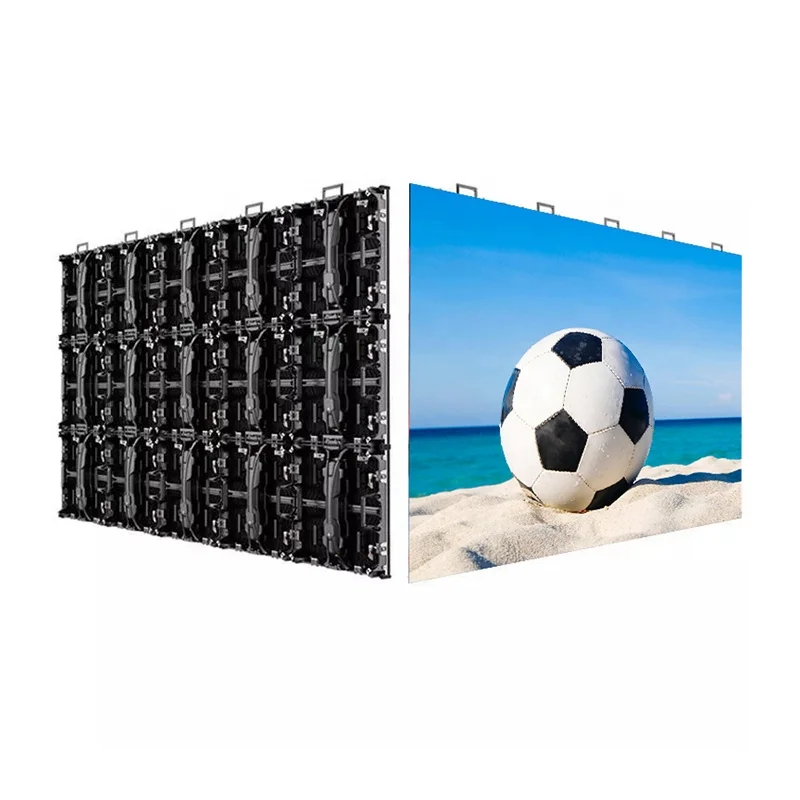
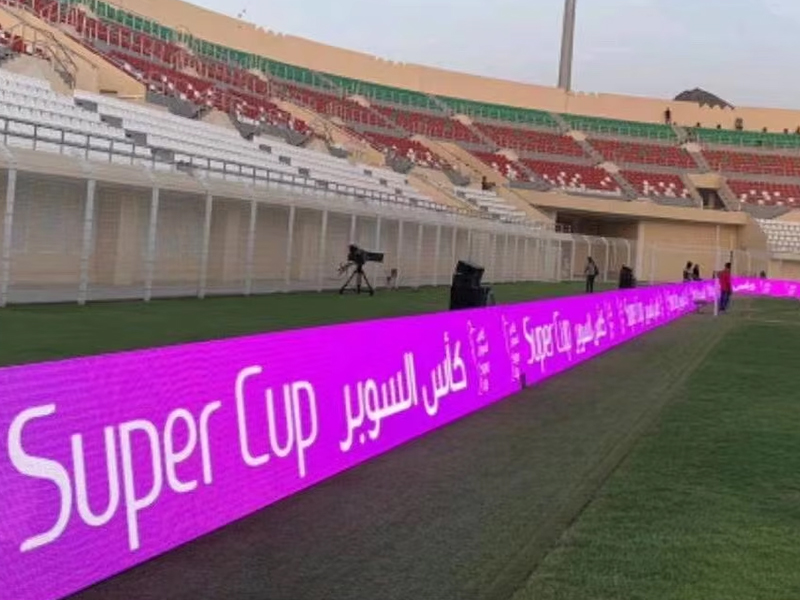
LED walls around courts and stadiums play a key role in modern sports venues. You often see them in gymnasiums, arenas, and stadiums that host basketball games, football matches, volleyball events, leagues, and even international competitions. These LED screens show live scores, instant replays, branding, and ads, while also improving the overall fan experience.
However, sports venues face one major risk: ball impact. Basketballs, footballs, and volleyballs can easily hit LED walls during games. Without proper protection, these impacts may cause LED lamps to fall off, create dead pixels or black spots, scratch the screen surface, and even damage waterproof performance. Over time, this reduces image quality and shortens the screen’s lifespan.
So how can you protect LED walls in gymnasiums from accidental damage? Below are three proven and practical solutions.
This is one of the most cost-effective protection methods for sports LED walls.
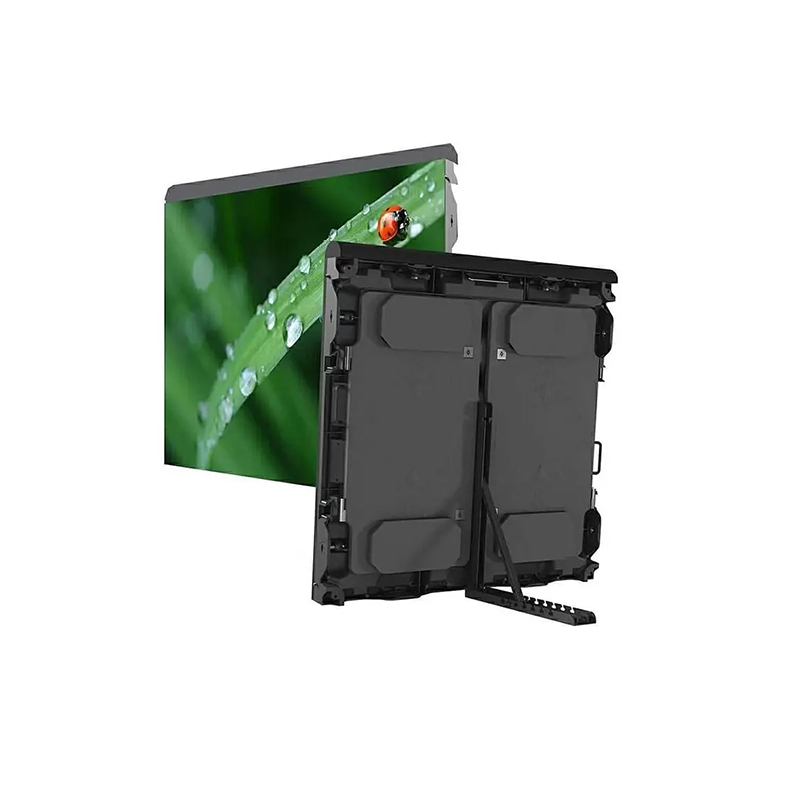
SMD LED technology is mature, reliable, and more affordable than COB technology. When you add a protective mask with slightly raised edges to the LED panel, the mask absorbs most of the impact when a ball hits the screen. The force transfers to the hard mask instead of pressing directly on the LED lamps.
As a result, the lamps stay secure and the risk of damage drops significantly.
Recommendation:
If you choose SMD panels with protective masks, use larger pixel pitch LED screens such as P5 or P6. A larger pixel pitch allows for a thicker and stronger mask. This improves impact resistance while still delivering good visual performance, especially for sports viewing distances.
GOB (Glue on Board) LED technology offers another effective solution, especially for higher-end installations.
With GOB panels, manufacturers apply a special transparent optical glue—usually epoxy resin—over the surface of the finished SMD LED module. This creates a hard, clear protective layer that seals the LED lamps, solder joints, and part of internal circuits.
When a ball hits the screen, this hardened glue layer spreads and absorbs the impact force. It prevents direct contact with the LED lamps and greatly reduces the chance of lamp failure.
GOB technology works very well against common sports impacts from basketballs, footballs, and volleyballs.
Recommendation:
GOB panels are best for small pixel pitch LED screens. Small-pitch panels cost more, and without protection, damaged lamps can lead to expensive module replacements. GOB protection helps lower long-term maintenance costs and protects your investment.
Another simple and affordable solution is to install a plexiglass panel in front of the LED wall.
Place the acrylic panel at least 1 inch away from the LED screen. This gap helps absorb impact and prevents direct contact. Plexiglass offers strong impact resistance while remaining lightweight and easy to install.
If the venue has strong lighting, you can choose a matte plexiglass panel to reduce glare. In most cases, however, modern LED screens already provide high brightness. For example, Toosen LED screens reach over 5500 cd/m², which ensures clear visibility in different lighting conditions.
Heat dissipation tips:
For indoor gymnasiums, air conditioning usually provides enough cooling.
For outdoor installations, increase the gap between the plexiglass and the LED wall by another inch to improve airflow.
Protecting LED walls in gymnasiums and sports arenas is essential for long-term performance and safety. Whether you choose SMD panels with protective masks, advanced GOB technology, or plexiglass shielding, each method helps reduce impact damage and extend screen lifespan.
The right solution depends on your budget, pixel pitch, and installation environment. If you want expert advice or a custom protection plan for your sports LED display, feel free to contact our professional team. We are always ready to help.
1. Why do gymnasium LED walls need extra protection?
Sports balls can hit the screen during games. Without protection, impacts may damage LED lamps, cause dead pixels, and reduce waterproof performance.
2. Which protection method is best for small pixel pitch LED screens?
GOB LED technology is the best choice for small pixel pitch screens because it seals and protects the lamps while lowering repair costs.
3. Does installing plexiglass affect screen brightness or cooling?
High-quality plexiglass has minimal impact on brightness. With proper spacing and airflow, heat dissipation remains safe for both indoor and outdoor use.
 EN
EN
 AR
AR
 BG
BG
 HR
HR
 CS
CS
 DA
DA
 NL
NL
 FI
FI
 FR
FR
 DE
DE
 EL
EL
 HI
HI
 IT
IT
 JA
JA
 KO
KO
 NO
NO
 PL
PL
 PT
PT
 RO
RO
 RU
RU
 ES
ES
 SV
SV
 TL
TL
 ID
ID
 SR
SR
 UK
UK
 VI
VI
 ET
ET
 HU
HU
 TH
TH
 TR
TR
 FA
FA
 AF
AF
 MS
MS
 GA
GA
 HY
HY
 AZ
AZ
 MN
MN
 UZ
UZ