Home > News > Industry News
When you plan a wedding, the stage background sets the tone for the entire ceremony. In the past, couples relied on printed backdrops or flower walls. Today, many couples choose LED screens because they offer stronger visual impact and unlimited creative freedom.
This guide explains the key benefits of wedding LED screens. It also shares practical tips to help you avoid common mistakes.
The greatest strength of an LED screen is flexibility.
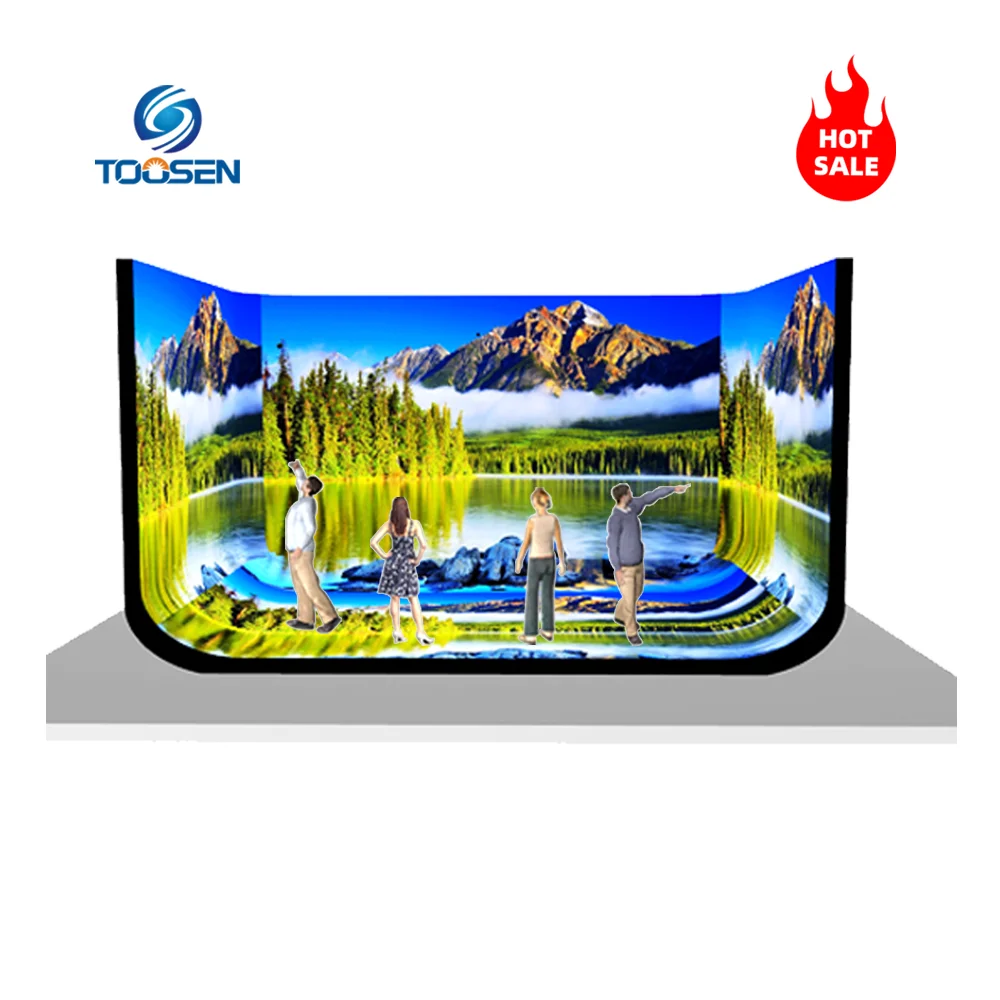
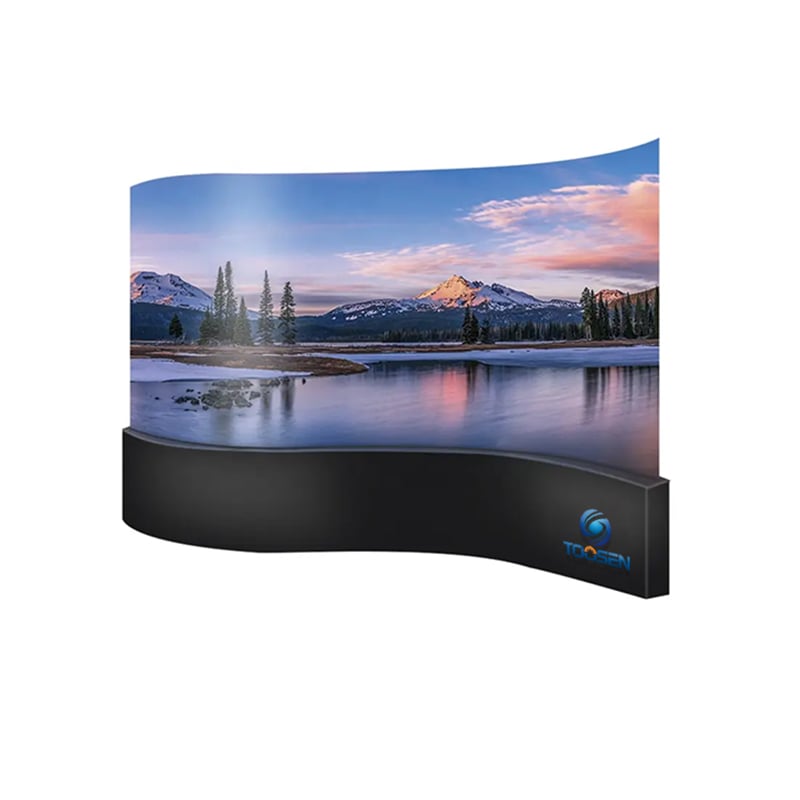
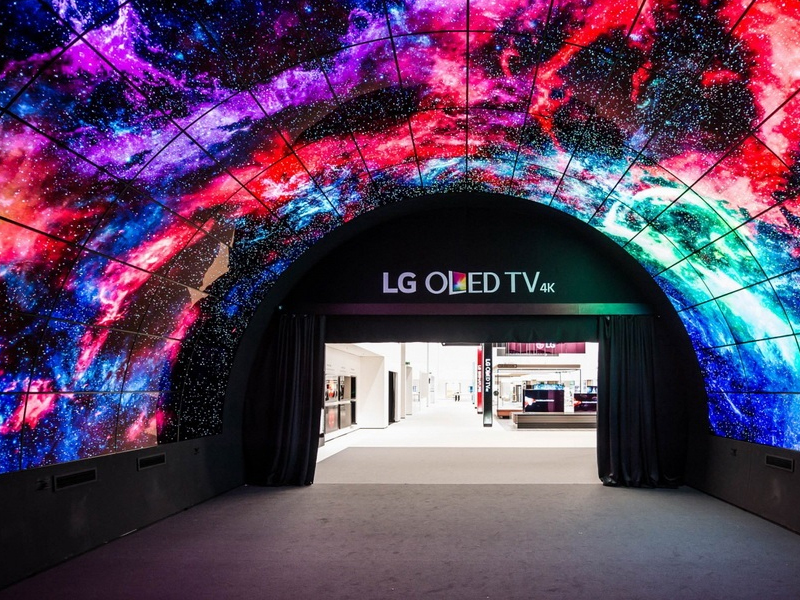
During the ceremony, the background can shift from a quiet forest morning to a star-filled galaxy in seconds. Later, during the banquet, it can turn into a palace wall or a romantic cherry blossom scene.
In contrast, traditional backdrops stay the same all day. An LED screen transforms the stage into a living space. As a result, your wedding can show multiple styles within a few hours.
Large ballrooms often make it hard for guests at the back to see the couple clearly. LED screens solve this problem.
With a live camera feed, the screen shows close-ups of ring exchanges and emotional vows. Every guest can share the moment, no matter where they sit.
In addition, LED screens display photos and love story videos in high definition. Unlike projectors, they deliver strong contrast and vivid colors. They also stay clear under stage lighting.
LED screens do more than display images. They also create interaction.
Guests can scan a QR code and send messages. These wishes appear on the screen in real time and warm up the atmosphere before the ceremony.
You can also add simple games, lucky draws, or live photo walls. These features turn the wedding into a joyful party instead of a passive event.
Although LED screens require a rental budget, they often replace expensive physical decorations.
You do not need thousands of flowers to fill the stage. A well-designed video can create a rich and elegant look.
Moreover, LED screens offer high tolerance for last-minute changes. If you need to adjust the schedule or fix a typo, you can update the content instantly. You avoid reprinting and extra labor costs.
To look perfect on camera, you need to pay attention to technical details.
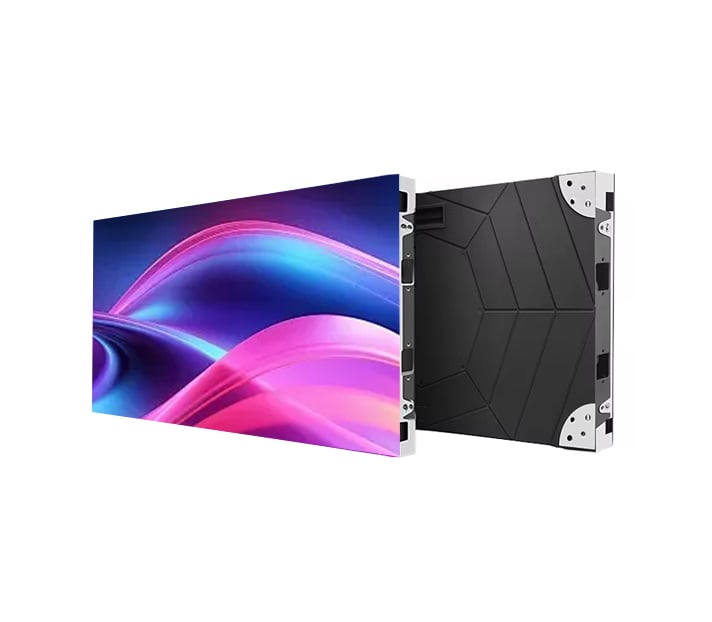
For indoor weddings, choose P2.0 or P2.5.
A smaller pixel pitch delivers sharper images. If the pitch is too large, guests will see unwanted patterns when they take close-up photos. This issue can ruin your wedding pictures.
A common mistake is using screens designed for outdoor advertising. These screens are too bright for weddings.
Ask the technician to set brightness to about 30%–50%. Also, choose warm and soft color tones. This setting blends better with stage lighting and keeps skin tones natural.
Always design videos based on the screen’s actual resolution and aspect ratio.
Do not stretch standard photos to fit wide or custom screens. Distorted images can make people look unnatural and affect the overall visual quality.
An LED screen is not just a display. It becomes part of your wedding story.
It blends digital art with real emotion. It also creates a unique visual memory for every couple.
Before you decide, check the ceiling height of the venue to confirm screen size. Then, communicate early with your wedding planner. Make sure the video style matches the floral and lighting design.
With proper planning, an LED screen can elevate your wedding from beautiful to unforgettable.
If you want more information, feel free to contact Toosen.
Q1: Is an LED screen suitable for small weddings?
Yes. Even small weddings can benefit from an LED screen, especially for emotional storytelling and photo display.
Q2: What pixel pitch is best for indoor wedding LED screens?
P2.0 or P2.5 works best. These options provide clear images for close viewing and photography.
Q3: Can LED screens replace traditional wedding backdrops?
Yes. LED screens often replace printed backdrops and flower walls while offering more flexibility and easier updates.
 EN
EN
 AR
AR
 BG
BG
 HR
HR
 CS
CS
 DA
DA
 NL
NL
 FI
FI
 FR
FR
 DE
DE
 EL
EL
 HI
HI
 IT
IT
 JA
JA
 KO
KO
 NO
NO
 PL
PL
 PT
PT
 RO
RO
 RU
RU
 ES
ES
 SV
SV
 TL
TL
 ID
ID
 SR
SR
 UK
UK
 VI
VI
 ET
ET
 HU
HU
 TH
TH
 TR
TR
 FA
FA
 AF
AF
 MS
MS
 GA
GA
 HY
HY
 AZ
AZ
 MN
MN
 UZ
UZ