Home > News > Industry News
Many buyers notice one clear fact when comparing LED displays. Outdoor LED screens cost much more than indoor LED screens. In most cases, the price is 1.5 to 3 times higher. This price gap is not random. It comes from real differences in materials, structure, and performance needs.
This article explains, step by step, why outdoor LED screens are more expensive. It also helps you understand what you are paying for and how to choose the right solution.
First, outdoor LED screens must survive harsh environments. Unlike indoor screens, they have no shelter. They face rain, wind, dust, strong sunlight, heat, cold, and humidity every day.
Because of this, outdoor LED displays usually require IP65 or higher protection. This level means strong waterproof and dustproof performance.
To achieve this, manufacturers use fully sealed potting technology. High-quality silicone or epoxy resin covers the LED chips and pins. These materials are transparent, UV-resistant, and anti-aging. They protect the LEDs from moisture and oxidation.
Some high-end outdoor screens also use gold wire and copper brackets. This design improves resistance to corrosion and long-term exposure to sunlight and rain.
In coastal or typhoon-prone areas, the requirements are even higher. The cabinet and structure must resist strong winds. Many outdoor LED screens are designed to withstand winds above Level 10. This requires reinforced steel structures and stronger mounting points.
Indoor LED screens do not need these features. They usually use simpler resin packaging. There is no need for waterproof sealing or wind resistance. As a result, indoor screens cost much less.
Next, heat control is a major cost factor.
Outdoor LED screens use sealed designs to block water and dust. However, sealing also traps heat inside the cabinet. If heat cannot escape, it can damage LED chips, power supplies, and driver boards.
To solve this, outdoor LED screens use aluminum alloy cabinets. Aluminum transfers heat faster than steel. It moves internal heat to the cabinet surface and releases it into the air.
Many outdoor cabinets also include built-in airflow channels and cooling fans. These systems prevent local overheating and improve stability.
Indoor LED screens do not face this problem. They are not sealed and operate in controlled temperatures. Natural air cooling is often enough. This simpler design reduces manufacturing costs.
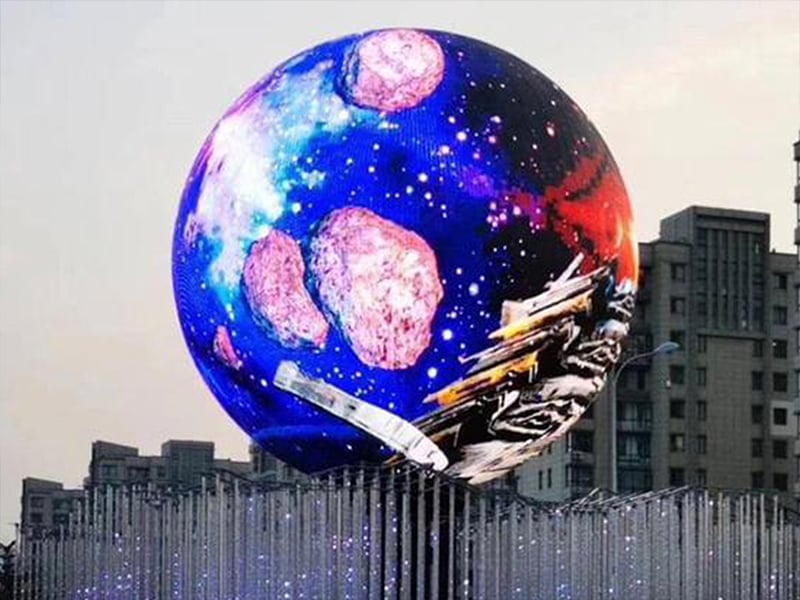
Brightness is another key reason for the price difference.
Outdoor LED screens must stay visible under direct sunlight, rain, fog, and glare. Low brightness will make content unreadable during the day. For this reason, outdoor LED screens usually require 5,000 to 10,000 nits (cd/m²).
High brightness demands high-quality LED chips. Outdoor screens use larger chip sizes, usually 10–16 mil. Larger chips produce stronger light and last longer.
Outdoor screens also use high-transparency, UV-resistant PC materials. Light transmission often exceeds 92%, while haze is controlled at 10–15%. This balance improves brightness without causing harsh glare.
In addition, many outdoor screens apply a matte surface finish. This treatment spreads light evenly and improves visibility from long distances.
Indoor LED screens do not need such brightness. In fact, high brightness indoors can cause eye strain. Indoor screens usually operate at 1,500 to 3,500 nits, which is more comfortable for viewers.
| Item | Outdoor LED Screen (IP65+) | Indoor LED Screen (IP40 or lower) |
|---|---|---|
| Brightness | 5,000–10,000 cd/m² | 1,500–3,500 cd/m² |
| Main Need | Visible in sunlight and rain | Eye comfort |
| Dimming System | Smart auto brightness control | Often not required |
| Brightness Decay | ≤30% in 5 years | ≤25% in 5 years |
| Support Conditions | High-grade materials and cooling | Standard materials |
This table shows why outdoor LED screens need stronger components. Every upgrade increases cost.
Outdoor LED screens are expected to run 24/7 for years. They must remain stable despite temperature changes and weather stress.
To meet this demand, manufacturers use better power supplies, thicker PCBs, and stricter quality control. Each step adds cost but also improves reliability.
Indoor LED screens usually work fewer hours per day and face less stress. Their components do not need the same durability level.
In summary, outdoor LED screens cost more because they must do more.
They need stronger protection, better heat dissipation, much higher brightness, and longer lifespan. They also require advanced materials and structural design to survive outdoor conditions.
Indoor LED screens focus on comfort and basic performance. Their environment is stable, so the design can remain simple.
If you need help choosing the right LED screen, professional guidance matters. Toosen has rich experience in LED display solutions. Our team can help you select or customize the right product for your project.
1. Is an outdoor LED screen suitable for indoor use?
Yes, but it is not recommended. Outdoor screens are very bright and may cause eye discomfort indoors.
2. Can indoor LED screens be used outdoors temporarily?
No. Indoor screens lack waterproof and UV protection. Outdoor use can quickly damage them.
3. Does higher brightness always mean better quality?
Not always. Brightness must match the environment. Too much brightness can reduce comfort and efficiency.
 EN
EN
 AR
AR
 BG
BG
 HR
HR
 CS
CS
 DA
DA
 NL
NL
 FI
FI
 FR
FR
 DE
DE
 EL
EL
 HI
HI
 IT
IT
 JA
JA
 KO
KO
 NO
NO
 PL
PL
 PT
PT
 RO
RO
 RU
RU
 ES
ES
 SV
SV
 TL
TL
 ID
ID
 SR
SR
 UK
UK
 VI
VI
 ET
ET
 HU
HU
 TH
TH
 TR
TR
 FA
FA
 AF
AF
 MS
MS
 GA
GA
 HY
HY
 AZ
AZ
 MN
MN
 UZ
UZ